Smarter Automation. Faster Workflows. Better Business.
AI automation combines artificial intelligence with workflow tools to make context-aware decisions and complete tasks without constant human oversight.

AI reads incoming customer emails, summarizes them, flags urgent issues, and drafts reply templates for human review.
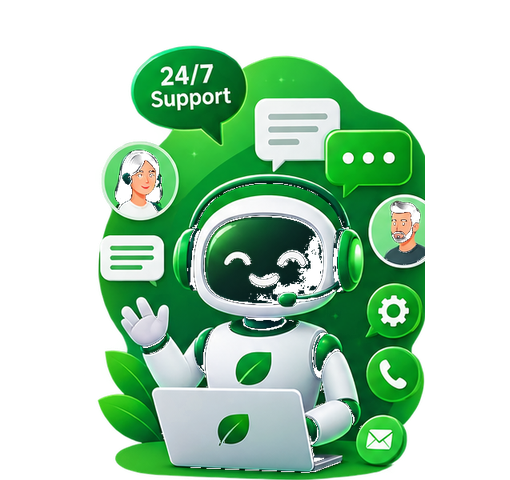
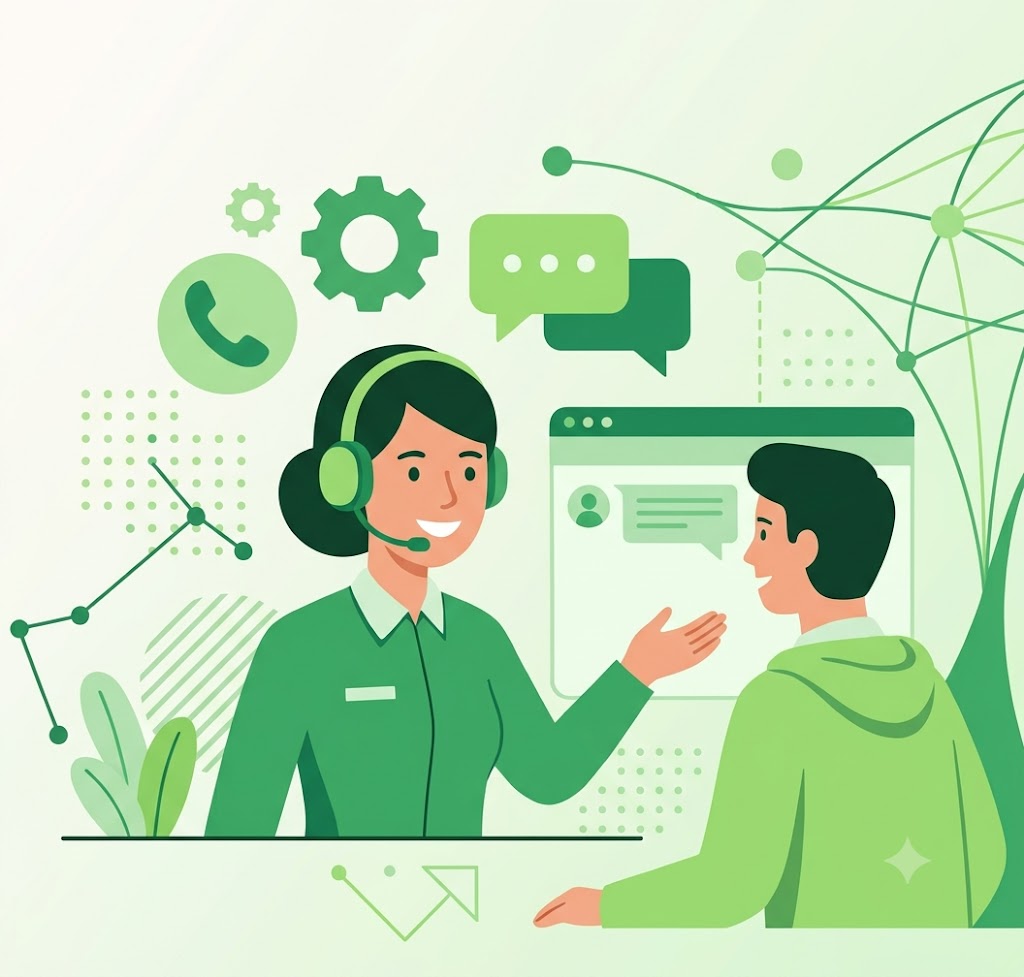
Conversational bots answer basic product questions, check order statuses, and qualify prospective buyers before handing off complex decisions to humans.
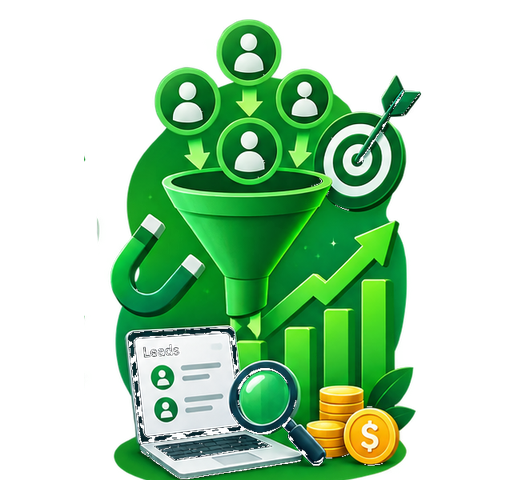
AI engages website visitors, captures their details, and passes qualified leads to your sales team.
AI agents parse customer databases or CRM entries to rank daily sales leads and email a prioritized morning brief to representatives.

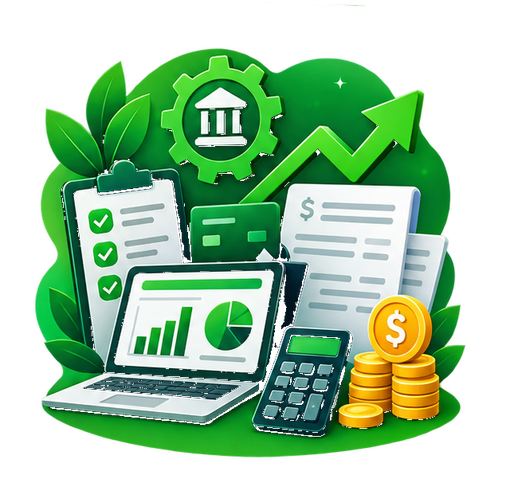
Automated systems track overdue invoices in a spreadsheet and send polite, escalating reminder emails at set intervals until paid.
Tools extract business data from public directories or job boards, filter irrelevant entries using AI, and find contact info for outreach.
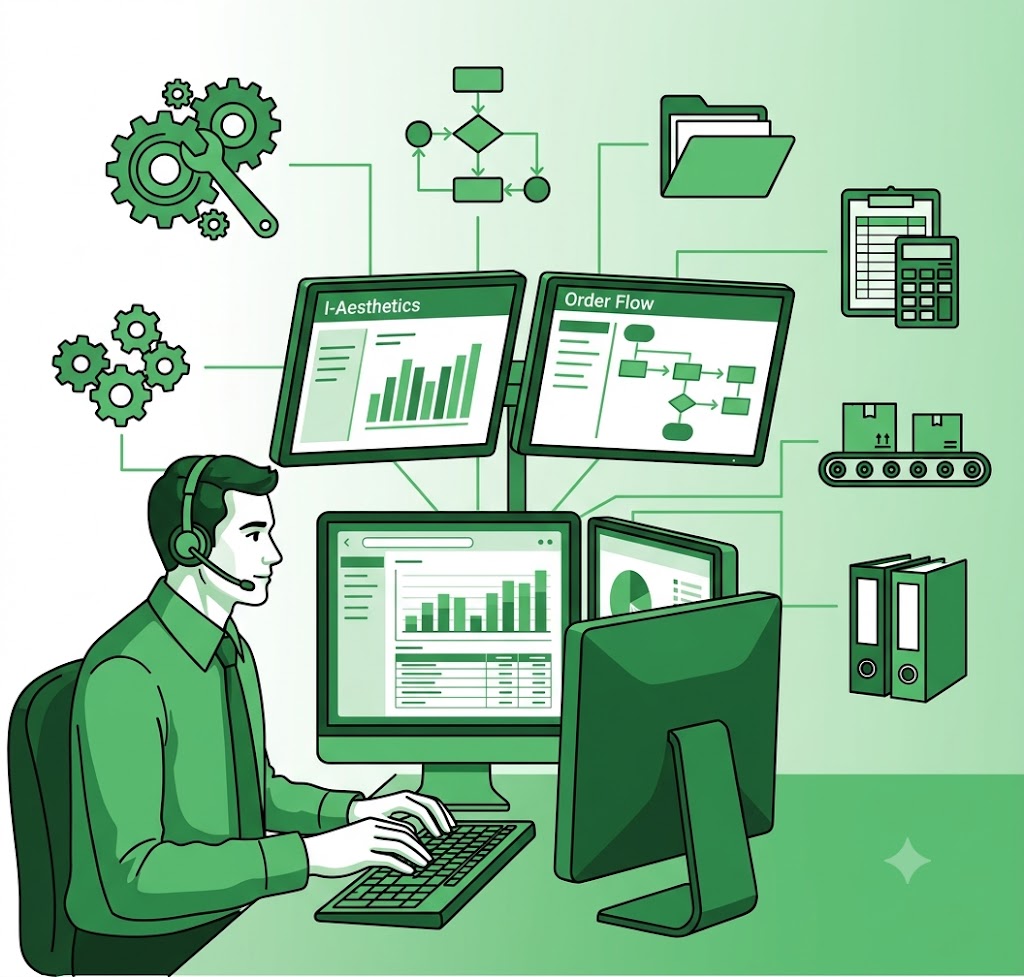
Bots extract line items from unstructured PDFs or scanned invoices, verify data, and input records directly into enterprise resource systems.

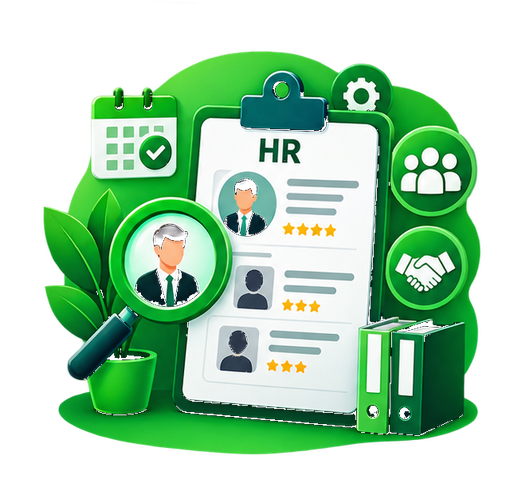
AI parses incoming applications, compares candidate skills against job requirements, and organizes top matches for recruiters.
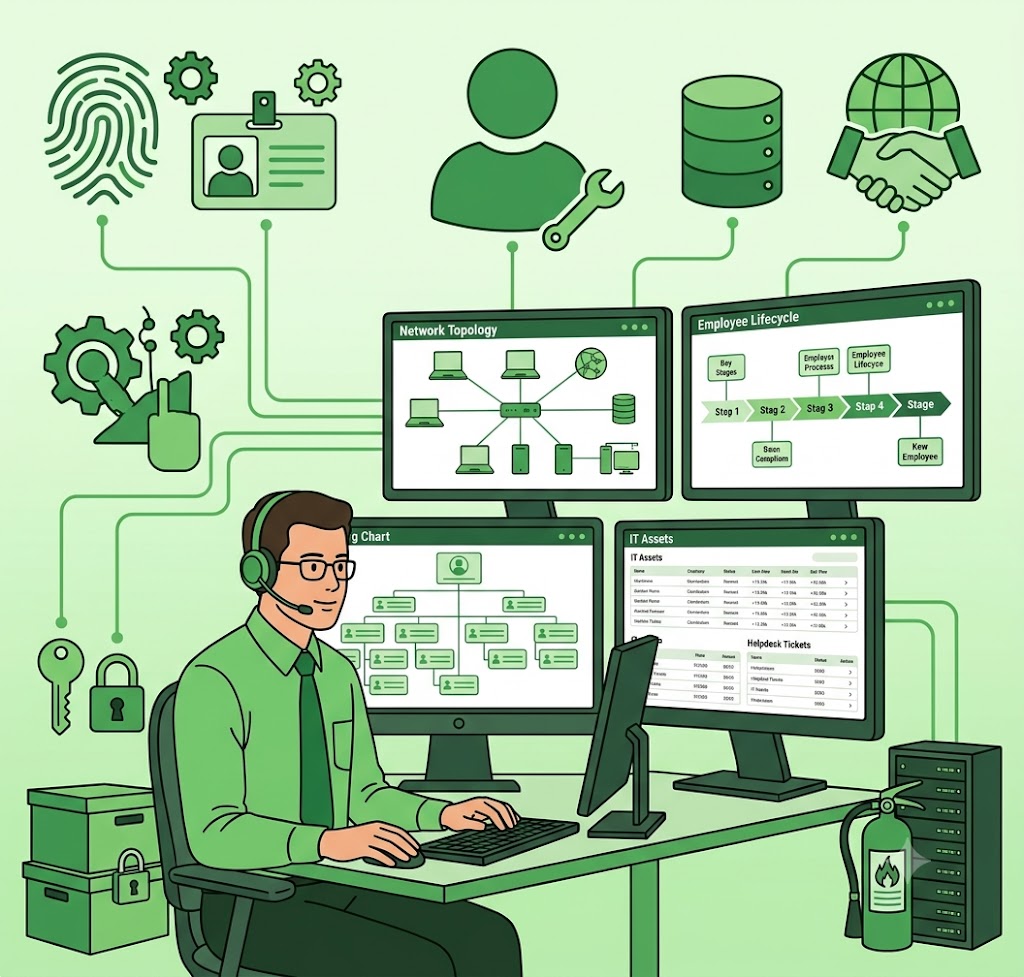
Systems diagnose recurring technical errors, suggest proven fixes, and push routine updates or patches across internal networks.
The most suitable applications depend on your processes and goals. Here is where businesses commonly start.
Appointment and patient query assistants
Document checks and customer support
Order updates and product recommendations
Reporting and process monitoring
Admissions help and student support
Booking assistants and guest requests
Proposal drafts and knowledge search
24/7 assistants with human handoff
Unlock efficiency,
automate operations, and make data-driven decisions with ease.
Our AI tools are built to help you scale faster and work smarter—every step of the way.
We provide customized AI solutions designed to help businesses automate processes, improve customer experiences, increase productivity, and make better use of their data. Our services can include AI chatbots, AI virtual assistants, business process automation, generative AI applications, predictive analytics, document intelligence, recommendation systems, and custom AI software development.
AI can help businesses automate repetitive tasks, reduce manual effort, improve customer service, analyze large amounts of information, generate business insights, accelerate decision-making, and improve employee productivity. We identify practical AI opportunities based on your business processes, objectives, data, and technology environment.
Yes. AI solutions can be integrated with many existing business systems, including CRM, ERP, accounting, e-commerce, helpdesk, databases, websites, mobile applications, and internal business platforms. Depending on the system, integrations can use APIs, connectors, webhooks, or custom development.
AI can be implemented with appropriate security and privacy controls. Depending on the solution, these may include encryption, authentication, authorization, access controls, data isolation, audit logging, secure APIs, and defined data-retention policies. Security requirements are considered as part of the AI solution architecture.
The cost of an AI solution depends on factors such as project complexity, required integrations, data requirements, AI models, infrastructure, security requirements, number of users, automation scope, and ongoing support. We evaluate your requirements before providing a project-specific estimate.
AI implementation timelines vary depending on the project's scope and complexity. A focused AI chatbot or automation workflow may require significantly less development time than a customized enterprise AI platform involving multiple integrations, large datasets, complex workflows, and advanced security requirements.
Not always. Some AI applications can use existing documents, knowledge bases, business systems, or third-party AI models without requiring large proprietary datasets. Advanced predictive analytics and highly customized machine learning applications may require more historical data.
No. An AI solutions provider can support your organization with AI strategy, consulting, solution architecture, development, integration, deployment, and ongoing maintenance. Your internal team can participate according to the level of technical ownership you prefer.
A professional AI solutions provider can help businesses move beyond generic AI tools by designing solutions around their specific processes, data, systems, security requirements, and business objectives. This can include AI consulting, custom development, system integration, deployment, testing, monitoring, and ongoing support.
Yes. Ongoing AI support can include system monitoring, performance optimization, model and technology updates, knowledge-base updates, security improvements, integration maintenance, troubleshooting, and continuous enhancement based on changing business requirements.